Overview
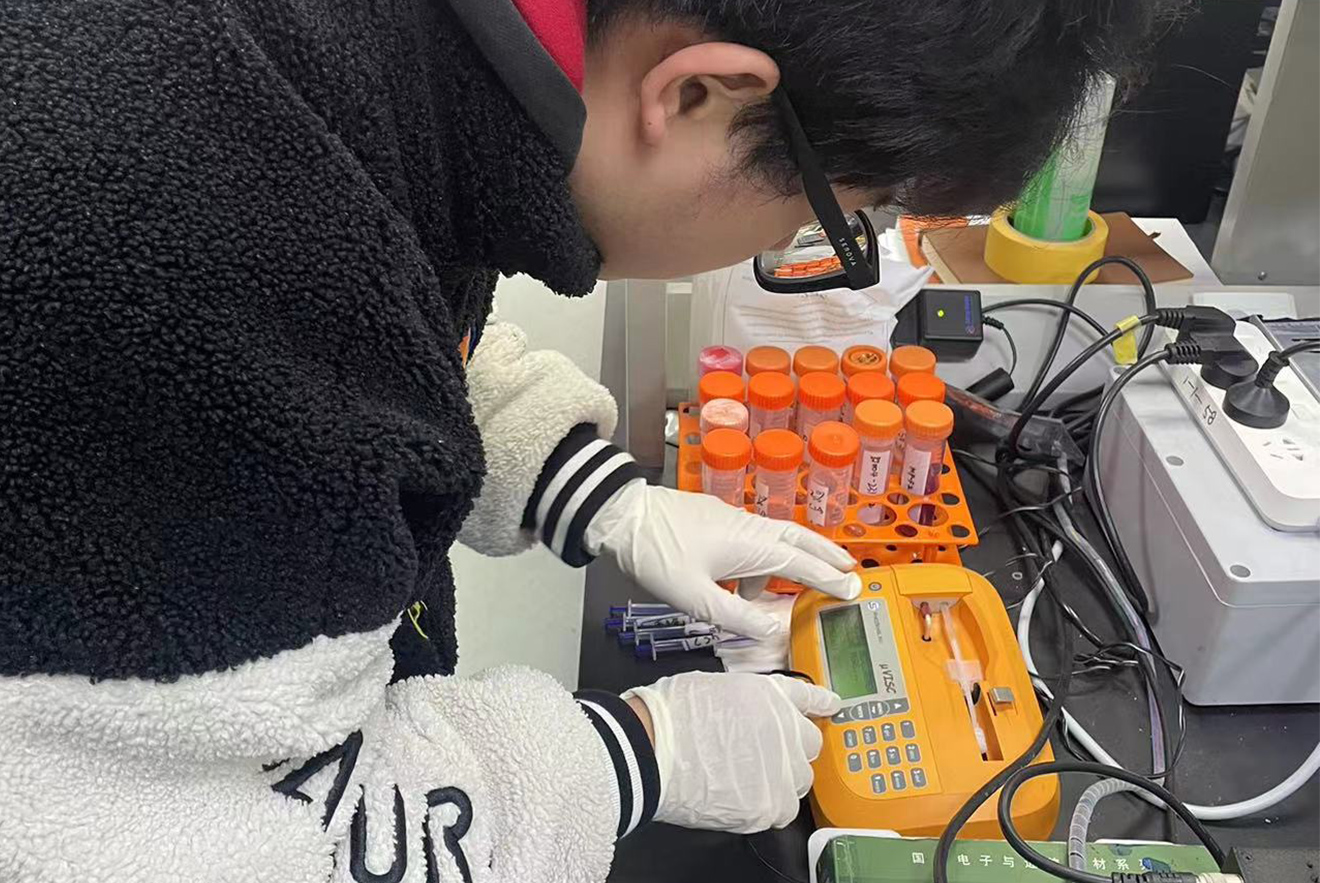
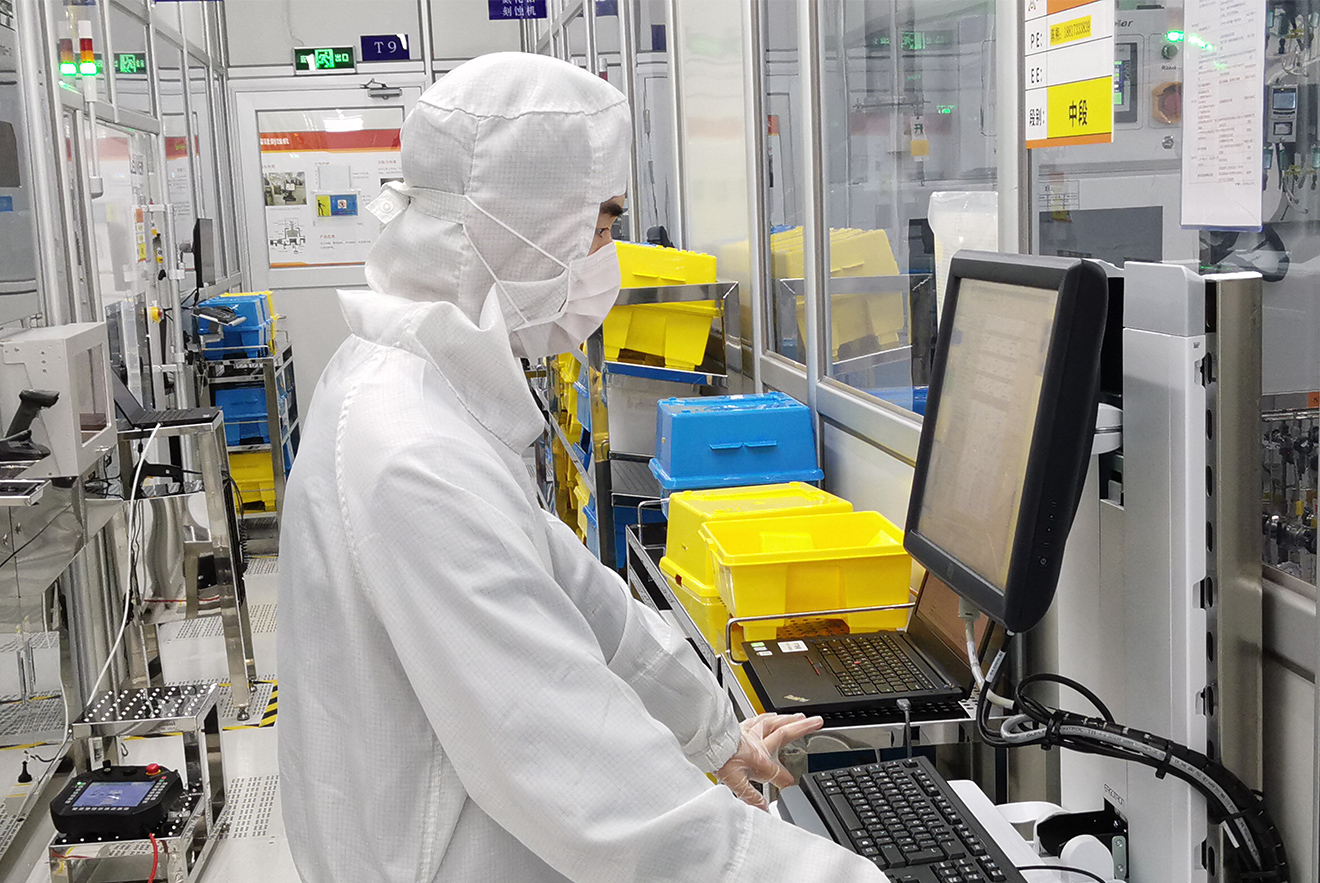
In 2019, SITRI and Shanghai University jointly established the Microelectronics College, aiming to create a Chinese version of the "research institute + university" model. Additionally, SITRI has collaborated with the Shanghai Institute of Microsystem and Information Technology (SIMIT) to build a tightly coupled "R&D + pilot production" collaborative system. The collaborative system project of SITRI has been listed as a key work item of the "Ministry-Local Joint Construction" by the Ministry of Education and Shanghai Municipality, it has also been included in the key construction projects of the Shanghai Science and Technology Innovation Center and the A-class construction projects of the Shanghai Municipal Education Commission. Moreover, it has been incorporated into the key construction projects of Jiading District during the 14th Five-Year Plan period. In terms of undergraduate education, the college adopts the "Four Ones" education model: conducting "one chip design" through design and simulation at Shanghai University, carrying out "one practical tape out" at SITRI, and performing "one integrated analysis" of packaging and testing at both Shanghai University and SITRI. For postgraduate education, it implements the "immersive practice" of full-cycle industrial project engineering. This involves one mentor from SITRI, two stages of theoretical courses and project practice, the integration of the education line, innovation line, and industrial line, as well was the concurrent implementation of the four methods, namely resource complementarity, dual employment of talents, collaborative innovation, and shared achievements. Through these measures, a large number of highly skilled industrial talents have been cultivated.
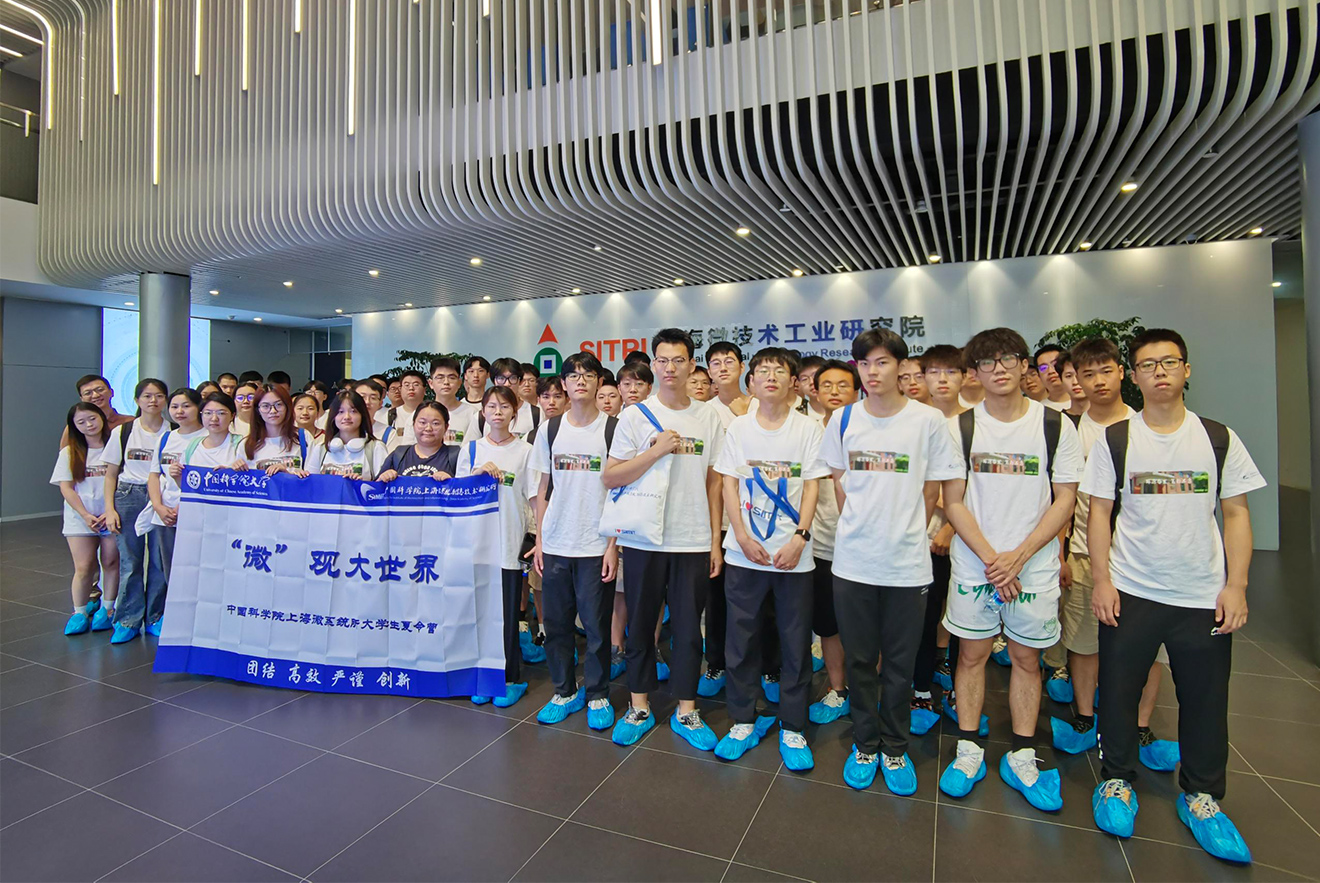
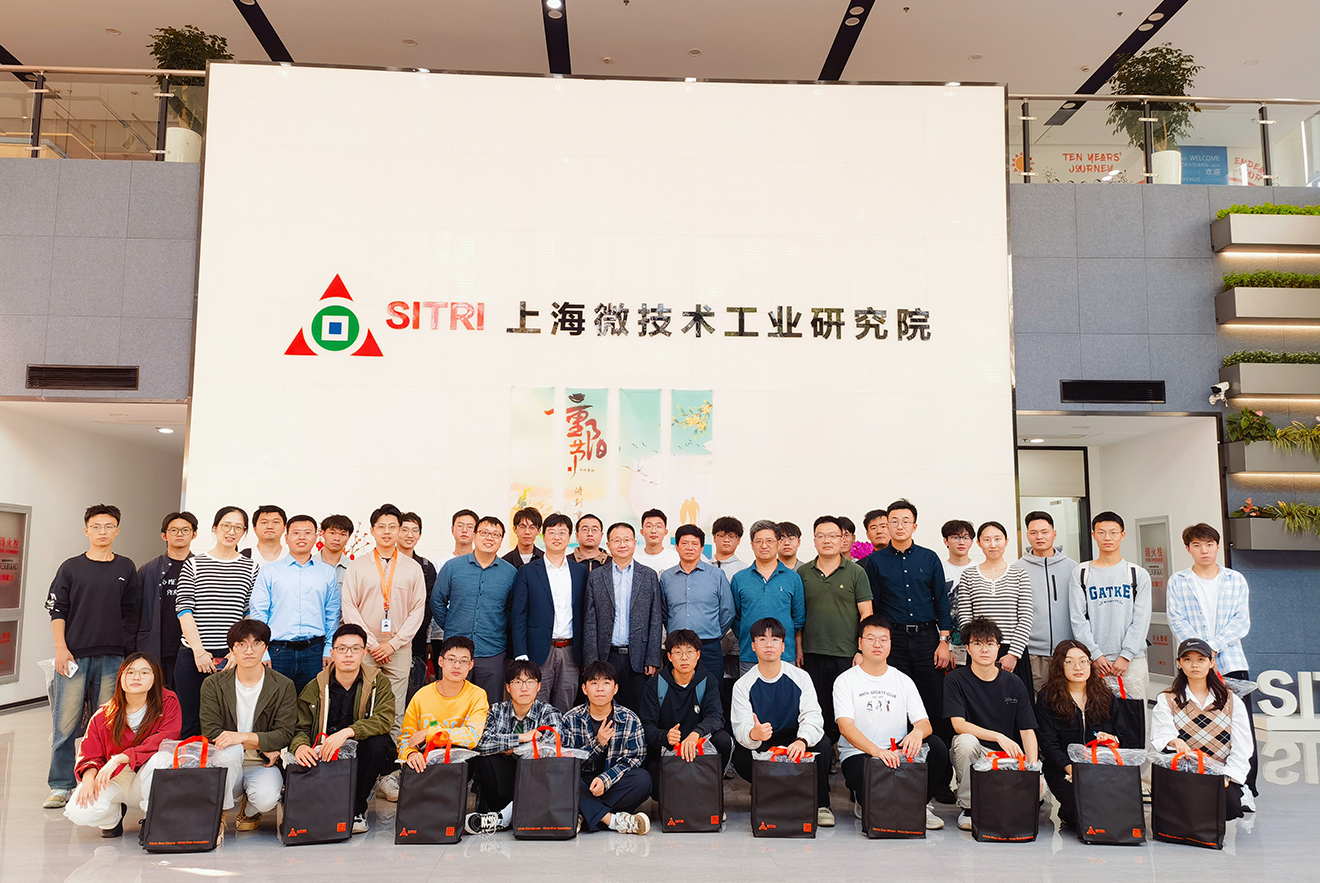
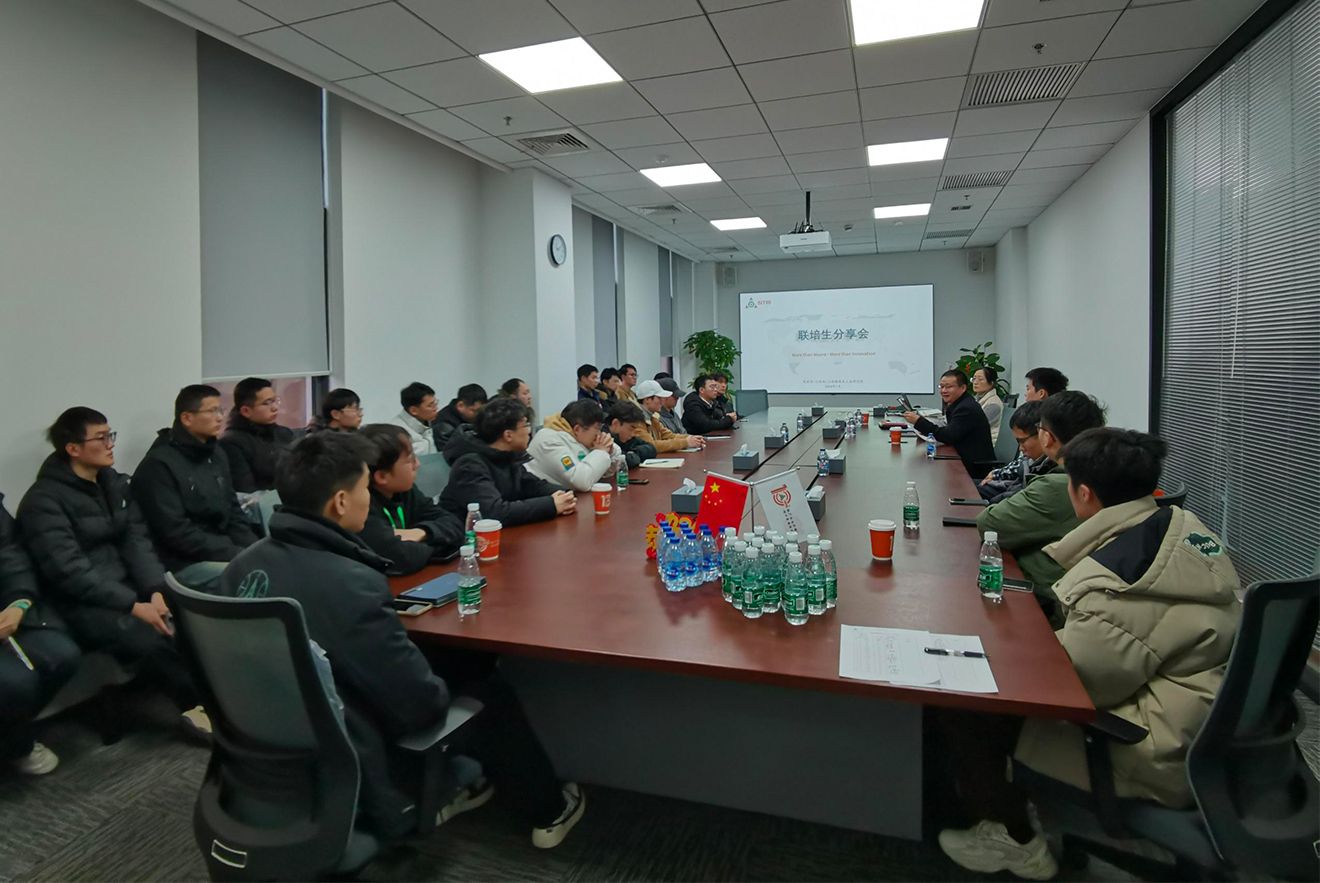
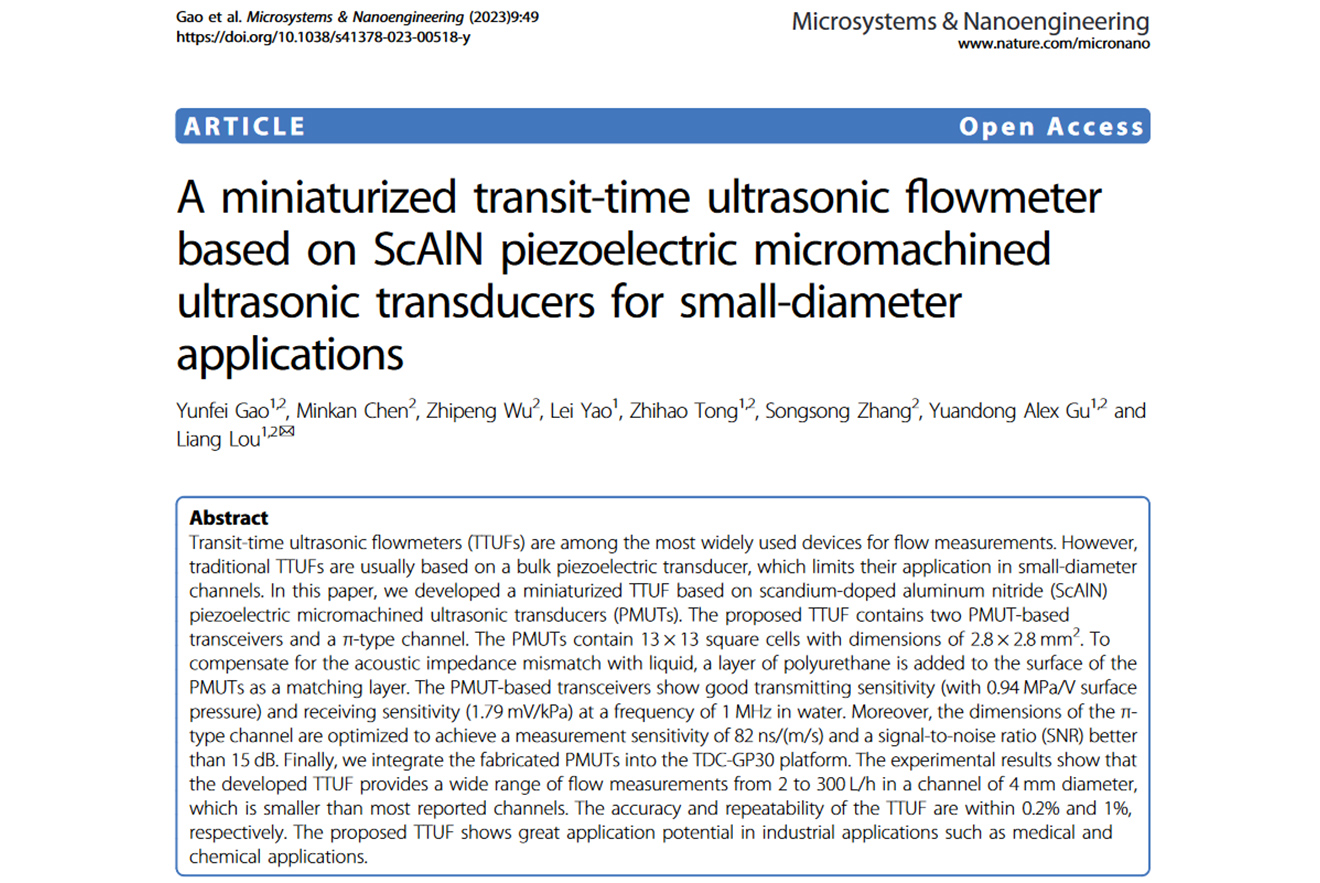
At present, SITRI has established cooperation mechanisms with several universities including Shanghai University, ShanghaiTech University, East China Normal University, Southeast University, and Soochow University. These collaborations involve over 30 joint training supervisors, among whom more than 10 hold national-level talent titles. Under a well-established management system and a supportive management approach, SITRI has cultivated over 200 students, with more than 100 graduates to date. Four students have received national-level scholarships, and two have published high-level papers in renowned international journals such as Chemical Society Reviews. After graduation, students either continue their studies at institutions like ShanghaiTech University and Tohoku University in Japan, or choose to enter the workforce, with an employment rate close to 100%. Graduates have gradually become the backbone of the industry.
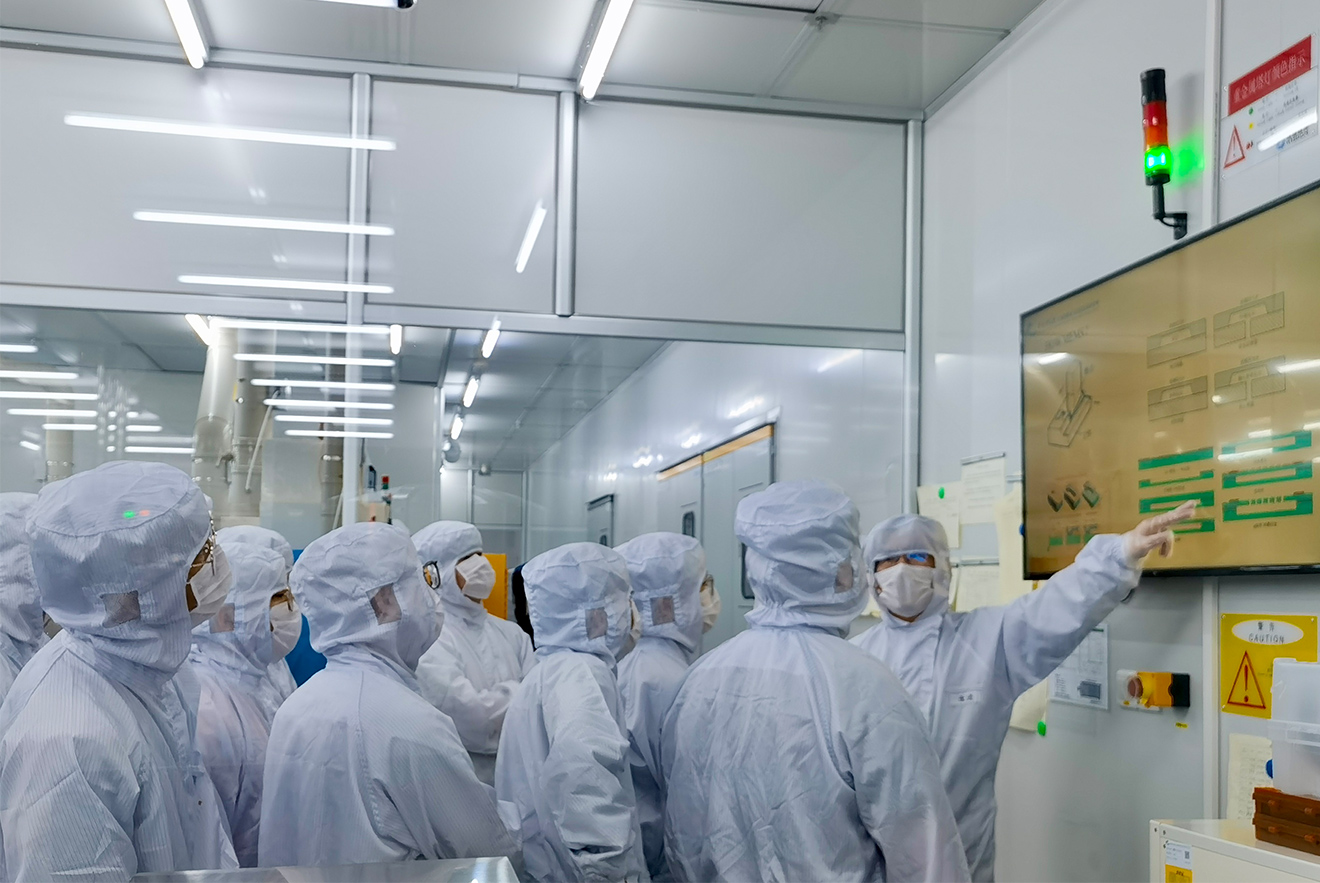
Meanwhile, SITRI is also actively contributing to the cultivation of urgently needed talents in the integrated circuit industry. In 2024, SITRI, in collaboration with the Shanghai School of Microelectronics Industries, completed the 25th phase of the Shanghai "Integrated Circuit Urgently Needed Talent Training Project" (SITRI Cooperation Special Class). The project is open to the public and focuses on the "More Than Moore" field of integrated circuits. The curriculum includes an overview of the development of the integrated circuit industry, integrated circuit materials, micro-nano manufacturing equipment, "More Than Moore" manufacturing technology, integrated circuit design, "More Than Moore" devices and applications, and offline practical modules, enhancing the understanding of the participants for their future entry into related industries within the field.